
Nitric Oxide Foods for Improved Heart Health
Foods That Boost Nitric Oxide Levels: Your Diet for Better Circulation
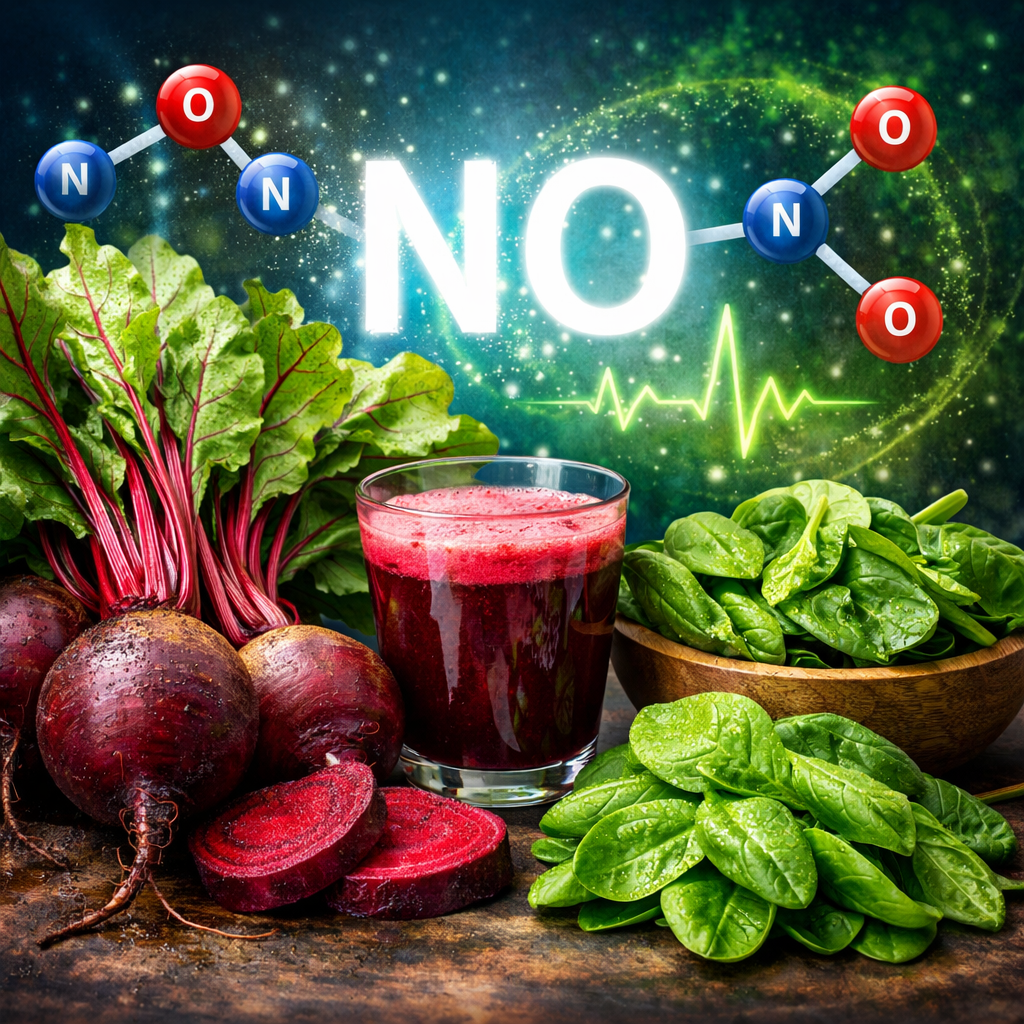
If you’re looking for natural ways to improve blood flow and energy, focusing on foods that boost nitric oxide is one of the most effective strategies. Nitric oxide (NO) is a molecule that helps relax and widen blood vessels, supporting healthy circulation, exercise performance, and cardiovascular function. In this guide, you’ll discover the best nitrate-rich vegetables, polyphenol-packed fruits, and other powerful foods that boost nitric oxide levels—backed by science and easy to add to your daily routine.
✅ Why Choose Foods That Boost Nitric Oxide
- Whole foods provide synergistic nutrients that enhance NO production
- Low risk of side effects compared to isolated supplements
- Improves overall diet quality while targeting circulation health
⚠️ Getting the Most from Nitric Oxide Boosting Foods
- Consistency is key—daily intake yields the best results
- Cooking methods matter (steam or eat raw to preserve nitrates)
- Some individuals may benefit from combining diet with targeted supplements
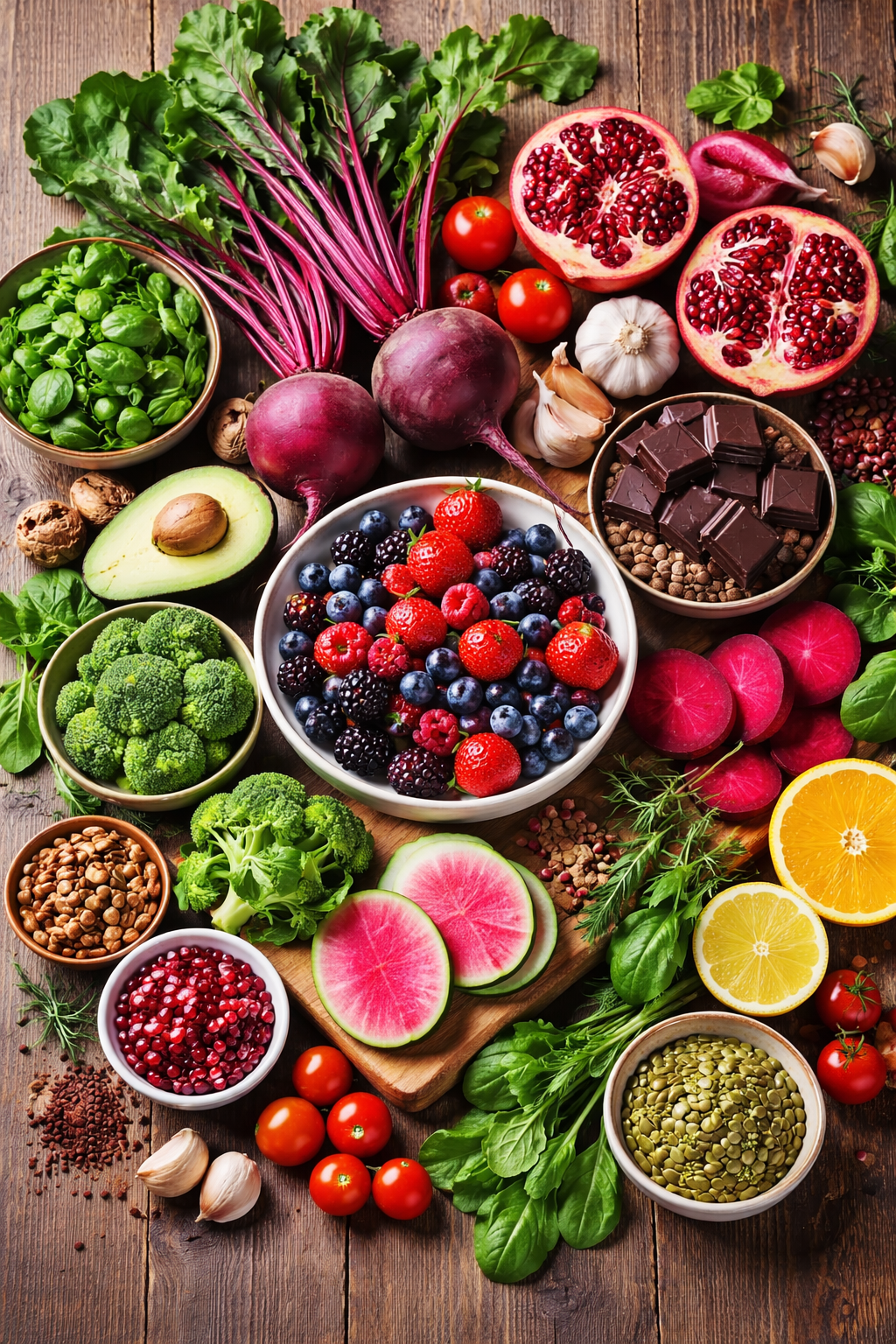
Top Nitrate-Rich Vegetables: Essential Foods That Boost Nitric Oxide
Beets & Beetroot
The most studied among foods that boost nitric oxide. Beets are exceptionally high in dietary nitrates, improving exercise performance and lowering blood pressure.
Spinach
A versatile leafy green packed with nitrates. Add to smoothies, salads, or sautéed dishes for a daily NO boost.
Arugula
This peppery green delivers a concentrated nitrate punch—perfect in salads or on sandwiches.
Celery
Contains both nitrates and apigenin, a flavonoid that supports endothelial function.
Rhubarb
Often overlooked, rhubarb is a surprising source of nitrates that can be used in desserts or compotes.
Butter Lettuce
Mild and easy to incorporate, this lettuce variety adds nitrates without overpowering flavors.
Polyphenol-Rich Foods That Protect and Enhance Nitric Oxide
Pomegranate
Powerful antioxidants in pomegranate preserve NO activity and support arterial flexibility.
Dark Chocolate (70%+ cacao)
Flavanols in dark chocolate improve endothelial function, making it a delicious addition to your nitric oxide boosting diet.
Berries (Blueberries, Strawberries)
Anthocyanins reduce oxidative stress that can destroy NO in the body.
Citrus Fruits
Vitamin C helps recycle NO metabolites, extending their beneficial effects.
Green Tea
EGCG catechins support NO availability and overall cardiovascular wellness.
L-Citrulline Sources: Watermelon and Seeds for Nitric Oxide Support
Watermelon
One of the richest natural sources of L-citrulline, which converts to arginine and fuels NO production.
Pumpkin Seeds
Provide direct arginine and healthy fats that support vascular health.
Nuts (Walnuts, Almonds)
Contribute to overall heart health and help maintain NO balance in the body.
How to Maximize Results from Foods That Boost Nitric Oxide
- Combine strategically: Pair nitrate-rich vegetables with vitamin C (like beet and orange) to enhance conversion to NO.
- Watch your cooking method: Avoid boiling nitrates-rich veggies; steaming, roasting, or eating raw preserves their potency.
- Be mindful of mouthwash: If you use antibacterial mouthwash, wait at least 2 hours after eating nitrate-rich foods to protect beneficial oral bacteria.
- Stay consistent: Incorporate these foods daily—nitric oxide levels respond best to regular intake.
Related Health Guides
- How to Increase Nitric Oxide Naturally: Complete Protocol
- Ketogenic Diet Guide: Benefits for Metabolic Health
- Ring Quiet Review: Supporting Restful Sleep
Scientific Research on Nitric Oxide and Nutrition
According to research published by the National Center for Biotechnology Information (NCBI) , dietary nitrates from vegetables significantly increase nitric oxide bioavailability and improve cardiovascular outcomes.
Additionally, the American Heart Association emphasizes that diets rich in nitrates and polyphenols support healthy blood pressure and endothelial function.
📘 Want to learn more about foods that boost nitric oxide and how to combine them with supplements for maximum results?
Read the Full Nitric Oxide Circulation Support Guide →Compare ingredients, learn about interactions, and choose the right approach for your cardiovascular wellness.
Why Whole Foods That Boost Nitric Oxide Are Superior to Supplements
While supplements can be effective in certain situations, whole foods that boost nitric oxide provide additional fiber, antioxidants, and micronutrients that work synergistically. This approach often leads to better long-term adherence and fewer side effects. For most healthy individuals, incorporating beets, leafy greens, and polyphenol-rich fruits daily is enough to maintain optimal NO levels. However, if you have specific cardiovascular concerns, combining these dietary choices with targeted supplements may offer extra support.
Remember, consistency matters. Eating a variety of these ingredients throughout the week ensures your body receives a steady supply of nitrates, L-citrulline, and protective polyphenols. Over time, improved circulation can lead to better workout performance, enhanced mental clarity, and healthier blood pressure readings.
Frequently Asked Questions About Foods That Boost Nitric Oxide
Can I get enough nitric oxide from diet alone?
Yes, many people experience significant benefits by regularly consuming foods that boost nitric oxide such as beets, spinach, arugula, watermelon, and dark chocolate. However, individual needs may vary based on age, health status, and lifestyle factors.
Are cooked vegetables still effective for nitric oxide?
Steaming or light roasting preserves most nitrates. Avoid boiling, as nitrates can leach into the water. Raw consumption is also excellent for maximizing the potential of these nitric oxide boosting foods.
How quickly do nitric oxide foods work?
Improved blood flow can sometimes be noticed within 1-2 hours after consuming beets or leafy greens. Consistent intake over weeks leads to sustained benefits in circulation and energy levels.