
How to Increase Nitric Oxide Naturally
How to Increase Nitric Oxide Naturally: 10 Science‑Backed Ways

Poor circulation, low energy, and feeling “off” often trace back to one molecule: nitric oxide (NO). Unfortunately, after age 40, your body’s natural production drops by up to 50%. The good news: you can how to increase nitric oxide naturally without relying solely on pills. This guide walks you through the most effective, evidence‑based methods.
Why Nitric Oxide Matters
Nitric oxide relaxes your blood vessels, improving blood flow, oxygen delivery, and nutrient transport. Low NO is linked to fatigue, cold hands/feet, and even cognitive decline. Learning how to increase nitric oxide naturally is a cornerstone of maintaining vitality.
✅ Advantages of Natural Methods
- No side effects when done correctly
- Supports overall heart and metabolic health
- Often cheaper than supplements
- Synergistic effects with diet
⚠️ Potential Downsides / Considerations
- Results require consistency (2–4 weeks)
- Some methods (e.g., beetroot) may cause temporary harmless red urine
- Not a replacement for medical treatment if you have serious conditions
1. Eat Nitrate‑Rich Vegetables Daily
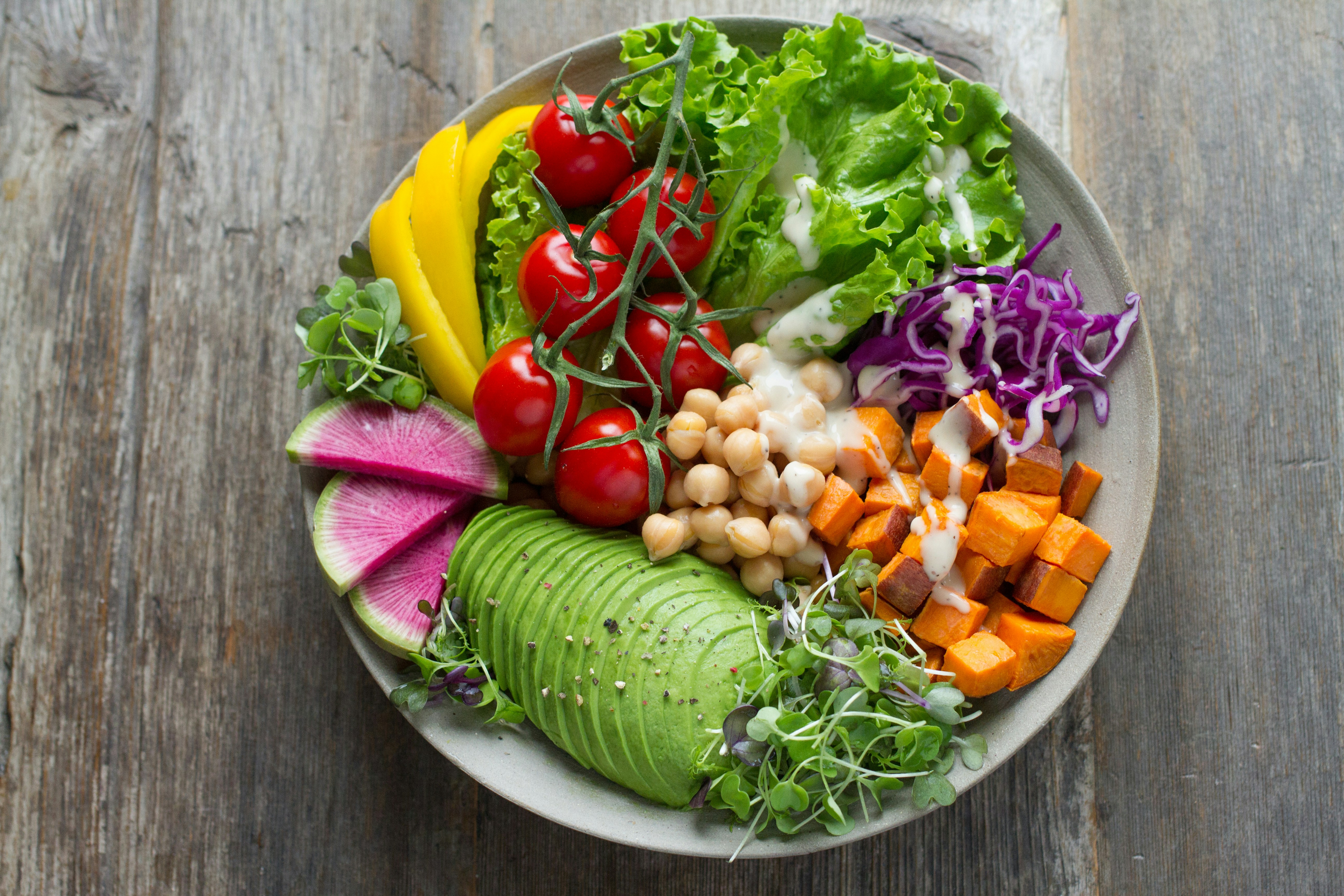
Beets, spinach, arugula, celery, and rhubarb are packed with dietary nitrates. Your body converts these into nitric oxide. Aim for at least one serving per day – it’s a simple way how to increase nitric oxide naturally through diet.
2. Exercise Regularly – Especially High‑Intensity Intervals
Physical activity stimulates eNOS (endothelial nitric oxide synthase). Short bursts of intense exercise (HIIT) are particularly effective at boosting NO acutely and long‑term. Consistent movement is one of the most powerful answers to how to increase nitric oxide naturally.
3. Get Enough Sunlight (or Supplement Vitamin D)
Vitamin D deficiency is linked to lower NO availability. 15–20 minutes of sunlight or a quality vitamin D3 supplement can help.
4. Eat Foods Rich in Antioxidants
Polyphenols in berries, dark chocolate (70%+), and pomegranate protect NO from breaking down too quickly.
5. Limit Mouthwash Use
Antibacterial mouthwash kills oral bacteria that help convert nitrates to nitrite. Skip mouthwash for at least an hour after eating nitrate‑rich foods.
6. Consider L‑Citrulline from Watermelon or Supplements
L‑citrulline boosts arginine levels more effectively than arginine itself. Watermelon is a natural source; supplements offer concentrated doses for those serious about how to increase nitric oxide naturally and efficiently.
7. Manage Stress and Improve Sleep
Chronic stress raises cortisol, which impairs NO production. Prioritize 7–9 hours of quality sleep and daily stress reduction.
8. Avoid Smoking and Limit Alcohol
Tobacco directly damages endothelium and destroys NO. Excessive alcohol also impairs NO synthesis.
9. Try Cold Exposure
Brief cold showers or cryotherapy can stimulate NO production as a physiological response to vasodilation after cold.
10. Use Targeted Supplements (When Needed)
If diet and lifestyle aren’t enough, supplements like beetroot extract, L‑citrulline, or a comprehensive nitric oxide support formula can fill the gap and help you how to increase nitric oxide naturally with added support.
You may also be interested in natural wellness approaches like the ketogenic diet or supplements such as advanced amino formulas.
📘 Want a complete overview of nitric oxide supplements, dosages, and safety?
Read the Full Nitric Oxide Circulation Support Guide →Compare ingredients, learn about interactions, and choose the right approach for you.
📚 Selected References & Outbound Resource
- Lundberg, J.O., et al. (2018). Nitrate and nitrite in biology, nutrition and therapeutics. Nature Reviews Drug Discovery.
- Jones, A.M. (2014). Dietary nitrate supplementation and exercise performance. Sports Medicine.
- Siervo, M., et al. (2013). Inorganic nitrate and beetroot juice supplementation reduces blood pressure. Journal of Nutrition.
- Outbound authority link: National Institutes of Health (NIH) – Nitric Oxide and Cardiovascular Health