
Pineal Gland and Brain Health: Key Insights
Pineal Gland and Brain Health: Science-Backed Strategies for Cognitive Wellness
Discover the scientific truth about circadian rhythms, sleep optimization, and evidence-based approaches to maintaining mental clarity throughout life.
📚 Article Contents
Introduction: The Brain Health Journey
Brain health affects every aspect of our lives—from memory and focus to emotional well-being and overall quality of life. This comprehensive guide explores the science behind cognitive wellness, focusing on the pineal gland’s role and evidence-based strategies for optimal brain function.
The human brain, with its 86 billion neurons and intricate neural networks, represents one of nature’s most complex creations. Modern research reveals that our lifestyle choices significantly influence cognitive health, offering hope and practical strategies for maintaining mental clarity as we age.
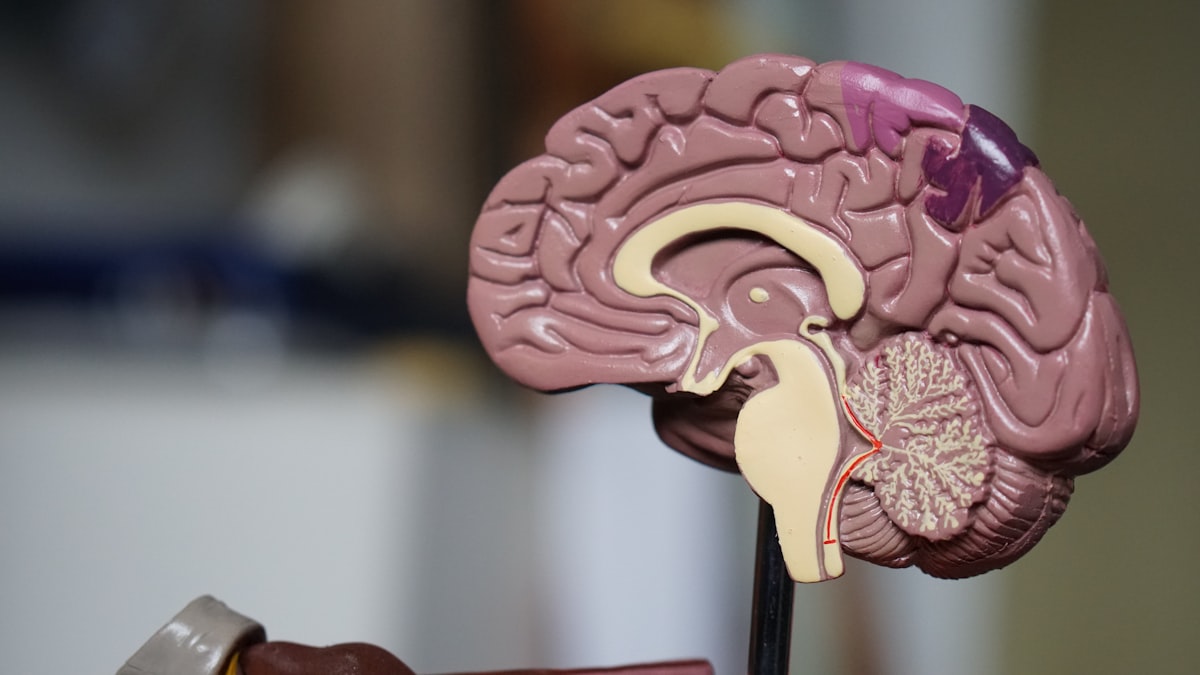
Understanding brain health begins with recognizing the interconnected systems that support cognitive function. Learn about the pineal gland’s role in this complex system.
The Pineal Gland: Scientific Reality vs. Myths
From Ancient Mystery to Modern Understanding
The pineal gland, a small pinecone-shaped structure deep within the brain, has fascinated philosophers and scientists for centuries. While historically associated with spiritual concepts, modern science reveals its crucial role in regulating sleep-wake cycles through melatonin production.
Key Finding: The pineal gland serves as our biological clock, translating light information from our environment into hormonal signals that regulate circadian rhythms. This process is essential for quality sleep, which in turn supports cognitive function, memory consolidation, and neural repair. Learn more about sleep science.

Melatonin: More Than Just a Sleep Hormone
Recent research suggests melatonin may offer additional benefits:
- Antioxidant properties that help protect brain cells from oxidative stress
- Anti-inflammatory effects that support overall brain health
- Potential neuroprotective qualities that may support cognitive resilience
- Regulation of beta-amyloid clearance during sleep cycles
For a deeper dive into melatonin research, read this comprehensive review on PubMed.
The Science of Sleep and Brain Health
Quality sleep is non-negotiable for cognitive wellness. During sleep, the brain engages in essential maintenance processes that support memory, learning, and neural health.

Sleep stages and their importance for cognitive restoration and memory consolidation. Discover how nutrition affects sleep quality.
The Glymphatic System: Brain’s Nightly Cleanup
One of neuroscience’s most significant discoveries in recent years is the glymphatic system—the brain’s waste clearance mechanism. During deep sleep, this system becomes 60% more active, removing metabolic waste products that accumulate during waking hours.
Practical Tip: Prioritize 7-9 hours of quality sleep nightly. Create a consistent sleep schedule, minimize blue light exposure before bedtime, and maintain a cool, dark sleeping environment to optimize glymphatic function. Learn about blue light effects.
Nutrition for Brain and Pineal Health
Specific nutrients support pineal function and overall brain health. A balanced diet rich in these compounds can help optimize cognitive function. Check out our related article on brain-boosting foods.
| Nutrient | Role in Brain Health | Food Sources |
|---|---|---|
| Tryptophan | Precursor to melatonin and serotonin | Turkey, eggs, nuts, seeds, tofu |
| Magnesium | Supports relaxation and melatonin production | Leafy greens, nuts, seeds, legumes |
| Omega-3 Fatty Acids | Support neuronal membrane health | Fatty fish, walnuts, flaxseeds, chia seeds |
| Antioxidants | Protect against oxidative stress | Berries, dark chocolate, green tea, colorful vegetables |
The MIND Diet Approach
Research published in Alzheimer’s & Dementia shows that the MIND diet (Mediterranean-DASH Intervention for Neurodegenerative Delay) may reduce cognitive decline risk by up to 53%. This approach emphasizes:
- Leafy green vegetables (6+ servings weekly)
- Berries (2+ servings weekly)
- Whole grains, nuts, and olive oil
- Limited red meat and processed foods

Comprehensive Lifestyle Strategies
Brain health emerges from the integration of multiple evidence-based lifestyle factors. No single approach works in isolation.
Regular Exercise
Aerobic exercise increases BDNF (brain-derived neurotrophic factor), supporting neurogenesis and cognitive function. Aim for 150 minutes weekly of moderate activity. Read the Harvard study.
Stress Management
Chronic stress elevates cortisol, which can negatively impact hippocampal function. Mindfulness practices and regular relaxation support cognitive resilience.
Cognitive Stimulation
Engage in novel, challenging activities to build cognitive reserve. Learning new skills, reading, and puzzles stimulate neural plasticity.
Social Connection
Meaningful relationships and social engagement have demonstrated neuroprotective effects. Regular social interaction supports emotional and cognitive health.
“The most effective approach to brain health is holistic—integrating sleep optimization, nutritional support, physical activity, stress management, and cognitive engagement into a sustainable lifestyle pattern.” – Mayo Clinic Guidelines

📚 Related Articles You Might Enjoy
Expand your knowledge with these science-backed articles on brain health and wellness:


Ready to Take Control of Your Brain Health?
For those interested in comprehensive approaches that combine nutritional support with lifestyle strategies, explore our premium brain health resources.
Explore Premium ResourcesIncludes research references, meal plans, and practical implementation guides
Conclusion: A Practical Path Forward
Brain health is not determined by genetics alone. Scientific evidence increasingly points to lifestyle factors as powerful influencers of cognitive trajectory throughout life.
Begin with small, sustainable changes:
- Prioritize consistent, quality sleep (7-9 hours nightly)
- Incorporate brain-supportive nutrients through a colorful, plant-forward diet
- Engage in regular physical activity that you enjoy
- Practice stress-reduction techniques like mindfulness or meditation
- Stay socially connected and mentally engaged
The journey to optimal brain health is progressive, not perfectionistic. Each positive choice contributes to cognitive resilience. By understanding the science behind brain function and implementing evidence-based strategies, we can support mental clarity and cognitive vitality throughout our lifespan.
References & Further Reading
- National Institute on Aging. (2023). “Cognitive Health and Older Adults.”
- Walker, M. P. (2017). Why We Sleep: Unlocking the Power of Sleep and Dreams.
- Morris, M. C., et al. (2015). “MIND diet slows cognitive decline with aging.” Alzheimer’s & Dementia.
- Xie, L., et al. (2013). “Sleep drives metabolite clearance from the adult brain.” Science.
- Harvard Health Publishing. (2022). “12 ways to keep your brain young.”
- Livingston, G., et al. (2020). “Dementia prevention, intervention, and care.” The Lancet.
This article synthesizes current scientific understanding and is intended for educational purposes. Consult healthcare professionals for personalized advice.
💬 User Comments & Experiences
Read what others are saying about their brain health journey: